
8/5 | Based on 500+ reviews
Find the Best Forex Broker
for Your Trading Success
Expert reviews, real user feedback and in-depth comparisons to help you choose the right broker with confidence.

Exness
Top Rated Forex Brokers


Why Traders Trust FXBrokerRating
Expert Tested
Our experts test brokers across 500+ data points.Real User Reviews
Thousands of verified user reviews you can trust.Regulation Verified
We verify licenses and regulations for your safety.Transparent Ratings
Our rating methodology is clear and unbiased.

Top Forex Brokers Award of 2026
We recognize outstanding forex brokers through eight respected awards that celebrate excellence in trading technology, platform performance, reliability, customer support, and the overall trading experience. These awards are designed to help traders identify trusted brokers and make informed decisions with confidence.

Top Trading Platform Award 2026
Top Regulated Forex Broker Award 2026
Top Forex Award 2026
Top Customer Service Broker Award 2026
Top Mt4/MT5 Broker Award 2026
Top CFD Forex Broker Award 2026
Top ECN Forex Broker Award 2026
Top Spreads Forex Broker Award 2026
Latest Brokers


About Us
Fx Broker Rating our goal is to become a trusted resource for traders worldwide by delivering honest reviews and rating practical research, and valuable educational content that helps users trade with greater confidence.
- Independent & Unbiased
- Expert Team with Years of Experience
- 500+ Data Points for Accurate Ratings
- Helping Traders Since 2018
Why Choose Us
- Comprehensive Reviews — In-depth reviews covering every important aspect of forex brokers.
- Up-to-Date Information — We regularly update our data to ensure you get the latest info.
- User-First Approach — We focus on what matters most to traders like you.
- Secure & Reliable — Your trust and safety are our top priorities.
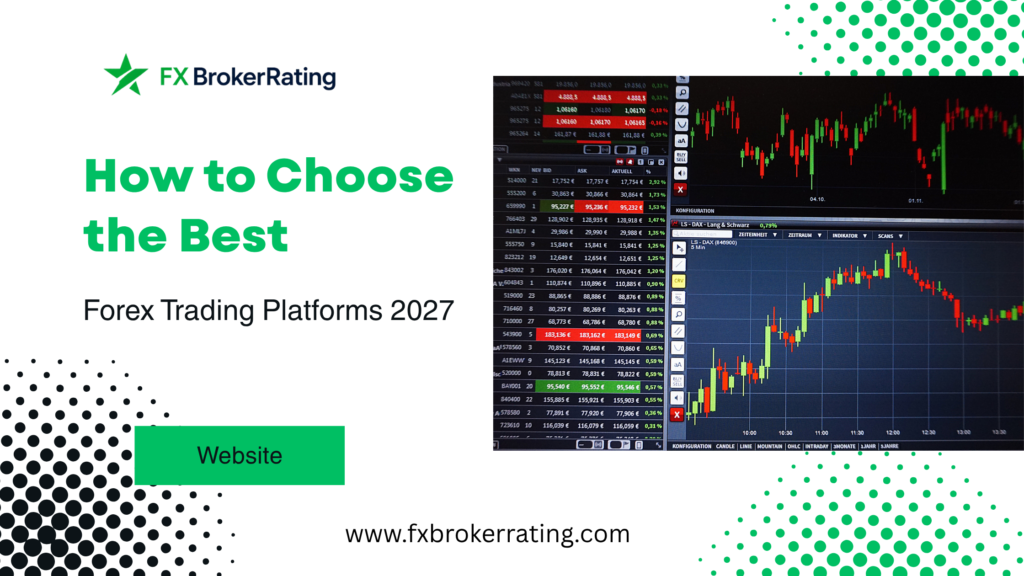
How to Choose the Best Forex Trading Platforms 2027
Selecting a forex trading platform sounds simple when you’re new to it. But if you understand how trading works, it might even seem extremely complicated or scary. But when you dissect it, it’s just the digital route that links traders to the world currency market. In addition to placing and managing trades, you can view price movements and carry out technical analysis using the trading software of your choice.
But this is where it gets tricky. Numerous platforms claim you’ll see things faster than the speed of light and that they offer state-of-the-art tools. But when traders do start using these things, performance can vary widely. So, picking the right platform isn’t just about brand names or features; it’s about finding one that’s really suited to your approach to trading and your trading goals.
This article will focus on what to focus on when choosing a currency trading software programmed
Moreover in this guide, we’ll simplify everything—from what a forex trading platform really does to how you can tell which one genuinely works best. Furthermore , each section will build on the last, so even if you’re new to trading, you’ll easily follow along.
What Is a Forex Trading Platform?
A forex trading platform is your gateway to the markets. It’s trading software where you dissect charts, structure trades, and watch positions in real time. Some of the most widely used worldwide are MetaTrader 4, MetaTrader 5, and cTrader because of their interface, speed features, and safety. They all have their specific strengths, but mostly they are designed to help traders make informed decisions.
Moreover, think of it like this — the platform is your car dashboard, while your broker acts as the engine that keeps it running Also, you see the data, push the buttons, and steer your trades, but the broker’s systems power the actual movement behind the scenes.
Additionally, without a dependable platform, even the smartest strategy can stumble. A small glitch, a lagging chart, or a delayed execution might turn a profitable idea into a missed chance. Therefore, understanding how your platform behaves under real-market pressure matters just as much as knowing how to trade.
Ahead, we’ll look at why picking the right one isn’t just about convenience — it can directly affect your results.
Why the Right Platform Matters More Than You Think
Forex moves fast — sometimes within seconds. Therefore, a stable and responsive platform can mean the difference between a good entry and a costly mistake.
A reliable Forex Trading Platform should offer:
- Speed: Instant trade execution without freezing or delays.
- Accuracy: Real-time price updates that match market movements.
- Security: Protection for your login, data, and funds.
- Accessibility: Smooth use across PC, mobile, and web.
Moreover, when the market gets volatile, you don’t want your charts freezing or orders hanging mid-execution. But with subpar platforms, that’s precisely what occurs.
Additionally, some platforms target professionals who depend on deep analytics, while others cater more to novices with simpler layouts. Therefore, the “best” choice depends on how you plan to trade. Ahead, we’ll explore what makes a truly good platform stand out from the crowd.
Features That Define a Great Forex Trading Platform
Although every trader values different things, certain features consistently separate the good platforms from the rest.
Also, a quality Forex Trading Platform should include:
- An intuitive interface — one that feels natural even if you’re new.
- Strong charting tools — for tracking market behavior clearly.
- Low latency and fast execution — because timing is everything.
- Customization options — layouts, alerts, or automated strategies that fit your routine.
- Tight security — encrypted data and multi-layer verification.
- Transparency — visible spreads, costs, and trade confirmations.
Moreover, advanced features such as backdating or copy trading can add extra value for both learners and experts. Yet, all these mean little if the broker that powers your platform isn’t trustworthy.
Ahead, we’ll discuss why the relationship between your broker and platform can make or break your trading experience.
How Brokers Shape Platform Performance
Even with the most advanced tools, performance ultimately depends on your broker’s reliability. In many ways, the broker acts as the backbone of your forex trading platform.
Moreover, a reputable broker ensures:
- Fast, consistent server connections.
- Fair, competitive spreads.
- Smooth deposits and withdrawals.
- Zero interference with your trades.
Additionally, good brokers use ECN or STP systems, sending your orders directly to liquidity providers. This keeps pricing honest and execution transparent.
However, traders may become unhappy due to various reasons. These slippage, re-quotes, or trade delays are caused by a weak broker; however, consider it this way: the broker provides the road, while your platform serves as the steering wheel. Progress stalls if both don’t collaborate.
Ahead, we’ll shift gears and explore how accessibility across devices affects modern trading.
Platform Access Across Devices
Today’s traders rarely sit still. They move between laptops, phones, and tablets — sometimes within minutes. Therefore, your forex trading platform must support you wherever you go.
Ideally, it should include:
- Desktop access for deep analysis.
- Web-based access for flexibility.
- Mobile apps for real-time monitoring.
Moreover, switching between devices should feel seamless. You might start analyzing a chart at home and later adjust a trade from your phone. Yet, some platforms still struggle to sync data accurately.
Additionally, stability matters; a single disconnect can cost money. However, when the platform and broker maintain strong servers, everything feels effortless.
Ahead, we’ll talk about another practical issue — cost transparency and hidden charges.
Transparent Costs and Fair Pricing
Costs in forex trading can be sneaky. Moreover, some brokers promote “zero commission” but quietly add the fees elsewhere. Therefore, understanding how your Forex Trading Platform displays costs is essential.
Also, Trustworthy brokers will clearly show:
- Spreads on every pair.
- Commission structures.
- Swap or rollover rates.
Moreover, the best platforms let you track these numbers in real time. Nevertheless, even fair pricing loses meaning if your funds aren’t protected.
Also ahead, we’ll cover security — the silent foundation behind any trustworthy trading setup.
Security and Regulation: The Safety Net
A reliable Forex Trading Platform must protect both your capital and your data. Moreover, Security isn’t just a technical detail; it’s peace of mind.
Look for brokers and platforms that:
- Are regulated by top authorities such as FCA, ASIC, or CySEC.
- Use encryption to protect information.
- Keep client funds separate from company accounts.
- Offer two-step authentication for extra safety.
Moreover, regulation adds a layer of accountability—brokers can’t simply vanish or misuse funds. However, while safety is non-negotiable, education is what helps traders grow confidently.
Ahead, we’ll move toward one of the most valuable yet overlooked aspects — trader learning and support.
Education and Market Tools: Building Confidence
Trading success isn’t built overnight. Yet, many traders fail because they never learn the fundamentals properly. Therefore, the best forex brokers and platforms provide educational tools to guide users at every level.
These often include:
- Step-by-step tutorials.
- Webinars and expert sessions.
- Market news and daily analysis.
- Demo accounts for safe practice.
Moreover, features like copy trading allow beginners to follow experienced traders’ strategies while learning. Additionally, continuous education helps you adapt when markets change — a skill every trader eventually needs.
Also ahead, we’ll connect all the dots to show how these features create a balanced trading environment.
Bringing It All Together
Trading becomes easier and less stressful when quick execution, clear pricing, robust security, and regular education come together. Moreover, the ideal Forex trading platform supports you in both stable and erratic markets and simplifies complicated data, acting as a partner.
Nevertheless, no single platform fits everyone. The best one matches your personality, goals, and comfort level.
Conclusion
As explained in this article, choosing the best forex trading platforms ultimately has nothing to do with following the preferences of others. What truly works for you is what matters. Look for a platform that offers you stability, clear information, and genuine support instead of the gaudy promises.
Moreover, try out a few demo accounts. Also, get a feel for how each platform runs when things get real. That hands-on experience saves you from nasty surprises and helps you build real confidence.
Moreover, ideally, trading’s supposed to feel empowering, not like you’re drowning. Therefore, slow down, check out your choices, and stick with a broker who’s honest and reliable. Also, take Fx Broker Rating, for example. Our broker platform is powerful but simple, trades execute fast, pricing is straightforward, and it actually helps you learn.
How to Choose the Best Forex Trading Platforms 2027
Top 5 Signals of Trusted Forex Brokers — Don’t Trade Without Checking These!
Choosing a broker is often treated as a quick step. In reality, it is one of the most important trading decisions. Many traders focus on charts and strategies, yet overlook broker quality. As a result, losses appear even before skills develop. This is why understanding how to identify Trusted forex brokers matters more than ever.
This post explores five tangible indicators and practical tips for traders to distinguish between safe and untrustworthy brokers. Every part, such as the importance of choosing from only regulated forex broker flows from one to the next, giving you an opportunity to grasp the whole topic easily.
1. Regulation That Can Be Verified
Regulation is the first safety filter. Without it, traders operate on blind trust.
Trusted forex brokers are regulated by renowned regulatory bodies around the globe, including ASIC (Australia), FCA (UK), CFTC/NFA (US), and CySec. These regulators implement tough policies regarding fund security and transparency.. Moreover, client money must be kept separate from company funds. This reduces misuse risk.
However, confusion often arises.
Some brokers advertise themselves as “registered, not regulated. That difference matters. Only regulated forex brokers are accountable to legal oversight. Checking the regulator websites confirms whether a license is real.
2. Transparent Costs Without Hidden Surprises
Trading costs should never feel like a guessing game.
Trusted forex brokers understand that it is crucial to clearly explain spreads, commissions, and overnight charges to the associated traders. Moreover, standard fees remain stable during normal market conditions. This clarity helps traders plan trades properly.
Hidden fees create frustration. Spread widening without notice and unexplained deductions raise concerns. However, brokers with transparent pricing reduce such doubts early.
After understanding costs, execution quality becomes the next critical checkpoint.
3. Fair Trade Execution
Execution quality affects every trade outcome. Even solid strategies fail when executed poorly.
Trusted forex brokers offer consistent execution. Orders are filled close to expected prices. Moreover, slippage is disclosed rather than hidden. This is especially important during fast markets.
In contrast, repeated delays and requotes signal deeper issues. Many complaints stem from this stage. However, regulated forex brokers must follow fair execution standards, which limit manipulation.
Once trades run smoothly, traders start paying attention to withdrawals.
4. Withdrawals That Work Without Constant Follow-Ups
A positive signal of a trustworthy FX broker platform is that depositing funds is rarely a problem. And Withdrawals show a similar pattern.
Trusted forex brokers process withdrawals within stated timelines. Requirements are explained upfront. Traders know what documents are needed and why.
Problems begin when excuses replace clarity. Experiencing delays, repeated verification requests, and vague replies often point to weak controls. However right forex brokers are expected to follow clear payout rules, and such issues should never occur.
With funds appropriately handled, the final check relates to platforms and support.
5. Stable Platforms and Support That Responds When Needed
A trading platform should support decisions, not interrupt them.
Trusted forex brokers offer stable platforms during high volatility. Charts load smoothly. Orders execute without freezing. Moreover, mobile and desktop experiences remain consistent.
Support quality matters just as much. When issues arise, timely help reduces stress. Brokers who respond clearly and professionally show long-term commitment.
At this stage, all five signs come together logically.
Why These Signs Protect Traders in the Long Run
Markets change. Broker risks do not.
Good forex brokers eliminate unnecessary hassles. They are transparent, consistent, and accountable. They also allow traders to focus on learning instead of constant worry.
Failure to heed these signs can result in frustration. Paying attention to them builds greater confidence and stability over time.
Top Errors Traders Make When Choosing a Broker
When opening an account, many traders repeat the same mistakes. One of the most common is believing in bonuses or aggressive promotions. These types of deals tend to have harsh terms that limit flexibility. Another common mistake is ignoring the fine print — small, detailed terms and conditions that are easy to overlook, in which key information about fees, leverage limits or account rules can be buried.
Moreover, some traders also rely on a single review source. That approach increases risk. Comparing multiple opinions gives a clearer picture. Finally, rushing the decision creates regret later. However, taking time to evaluate basics saves both money and stress.
Conclusion
This article focuses on spreading information about foreign currency brokers and helps you understand that their selection should never be rushed. Safety, fairness, and trust matter more than bonuses or promotions. Traders who follow these five signs explained here significantly reduce unnecessary risk.
Before opening any account, verify credentials and compare features carefully. Trusted resources such as Fx Broker Rating can help cross-check broker credibility. A careful start supports stronger trading decisions and long-term growth.
How Safe Is Crypto Trading? Understanding the Role of Crypto Brokers
In the present times, you can’t escape talking about crypto. Every headline, post online, or chat with someone who’s just gained big profits or lost via cryptocurrency trading will grab your attention. But here’s the real question: should you actually jump into this? The price fluctuates greatly, and there is always new information about losses in the news every other week. It makes sense why people are reluctant to jump in.
However, let’s be honest—crypto trading isn’t slowing down. People from all corners of the world are piling in, chasing profits. Its global market size, as per Forbes, has already hit $3.19 trillion. Undoubtedly, there is a lot of money at stake, and there is potential if you know what you’re doing. However, the true question remains: how safe is it?
Here’s the truth: trading crypto comes with real risks. It’s not so different from trading currencies. Like there are several best forex brokers, the same is the case with cryptocurrency trading as well, and here your choice of broker matters a lot. You might handle the dangers—maybe even find it fun if you pick the ideal choice. However, many traders are reluctant to buy and sell crypto. In this article, we will discuss more about crypto trading being safe or how you can make it safer. Let us begin.
The Risks of Cryptocurrency Trading
Crypto’s got huge dangers along with big wins—right off the bat, you’ll see wild swings. Prices might jump or crash fast, sometimes in just minutes. A rumor, an article, or even one social post could flip everything around quickly. No set-it-and-forget-it here—you’ve got to stay sharp.
Then there’s regulation. It’s a moving target. Laws shift from country to country, and governments are always tweaking the rulebook. One new regulation, and suddenly your options become limited.
Scams and sketchy platforms—yeah, they’re a problem. Not every coin or trading site is legit. Sometimes new tokens just disappear, and if your funds get stolen, you will face a lot of issues too. recover it. Do your homework.
Technical risks? Those are real, too. You can hold your digital currencies yourself or trust a third party. You have complete control when you have your own keys, but your coins are permanently lost if you misplace them. People forget passwords, and devices crash—it happens. Using a solid platform means better security and less stress.
How Security Actually Works in Crypto Trading
Security isn’t just about fancy tech—it’s about good habits. The best brokers protect your account with SSL encryption and secure wallets, but you’ve got to do your part: you must use strong passwords and two-factor authentication and follow safety practices. These steps aren’t just for show; they actually protect you.
Trading digital currencies isn’t a wild gamble if you know what you’re doing. Sure, there’s risk, but with the right tools, knowledge, and strategy and a broker you trust, you can manage it.
Smart Habits for Safer Cryptocurrency Trading
Pick a Reputable Broker and platform
Don’t get sloppy here. Only use licensed, regulated brokers. They keep your money safe and follow the rules.
Watch the Market
Check live graphs, pricing shifts, or trading hints to keep up with economic updates and global happenings tied to political moves. That way, you dodge big losses while choosing smarter steps.
Manage Your Risk
Set your stop-loss and take-profit levels every time you do cryptocurrency trading. This locks in your gains and limits your losses. It’s not optional.
Keep Learning
The market for cryptocurrency trading is always changing. Keep abreast of emerging tactics and trends. Use the free webinars or tutorials that most brokers provide.
Spot the Opportunities
The market for digital currencies is massive—$3.19 trillion and still growing. With discipline, knowledge, and a reliable broker, there’s real room to profit without incurring huge losses in cryptocurrency trading.
Take Security Seriously
Try different passwords, enable two-step authentication, and use a reliable cryptocurrency exchange platform and don’t share your password.
Here’s the truth—cryptocurrency trading isn’t guesswork. Like the stock market, you need to have good knowledge and trading discipline. When you see the dangers clearly while making careful moves, trading requires that you become someone who acts with awareness instead of fear. Confidence comes from knowing what you’re doing, not hoping luck will save you.
Why Cryptocurrency Trading Can Be Safe and Profitable
Digital currency trading has a reputation for being unsafe, yet handled wisely, it can be far less risky—plus more rewarding—than most assume. Here’s the trick: pick a broker who earns your confidence. A solid platform gives straightforward market updates, pricing, live updates, indicators, and charts that help you decide clearly while skipping expensive errors while trading digital currencies. Tools like automated trading, real-time notifications, or trend signals enhance safety, helping keep every move steady.
Using a known platform means you’re never alone in the process. It gives guidance along with safety.
Choosing the Right Broker in Cryptocurrency Trading
Picking the right broker really matters. A good one offers encrypted transactions, quick and reliable order execution, smart risk management tools like stop-loss or take-profit, and plenty of educational resources—including demo accounts if you want to practice first. When you have these in place, navigating digital currency trading feels a lot less intimidating.
Conclusion
Cryptocurrency trading can offer opportunities, but success depends on making informed decisions, understanding market risks, and choosing a reliable broker. Before getting started, take the time to research a broker’s security measures, regulatory status, trading fees, and available tools. Practicing sound risk management and using educational resources can also help you approach the market with greater confidence.
FX Broker Rating helps traders explore broker reviews, compare trading platforms, and make more informed decisions based on their individual needs. Known for covering some of the best forex brokers, FX Broker Rating also provides insights into brokers that offer cryptocurrency trading. Whether you are exploring forex or crypto markets, choosing a transparent broker and staying aware of potential risks are important steps toward a more responsible trading experience.
Beginner Guide to Social Trading and the Best Copy Trading Platform
Do you want to become more knowledgeable about trading without investing a lot of time in gaining in-depth knowledge of your own in stocks, indices, cryptocurrencies, forex, and other instruments? You should consider adopting Social trading. It’s shaking up how people trade.
Using it, instead of sitting alone, staring at charts and sweating over every move, you can now watch what experienced traders are doing—and just copy them. Seriously, you don’t have to figure it all out by yourself. Whether you’re just starting out or you’ve been trading for years, getting the hang of it opens up new possibilities and can make your decisions a lot sharper.
Especially if you adopt copy trading, a type of social trading, you can mimic the trades of expert traders (generally called a strategy manager) automatically. Choosing the Best Copy Trading Platform can take your trading game to another level. Read more about it ahead.
So, What Exactly is Social Trading?
At its heart, it’s pretty simple. You follow other traders, see their strategies, and if you like what you see, you can copy their trades. It’s trading, but with the social twist of watching, learning, and sharing. Some people want to go it alone. Others get a real boost from seeing what seasoned traders are up to. This style lets beginners increase their knowledge and confidence, while the pros get recognition and sometimes work as strategy managers for their offered services.
How Social Trading Works
The main attraction is the “copy” function. Let’s say you spot a trader who always seems to know when to jump into a stock. You can set your account to automatically make the same moves. Broker platforms make this super easy—just pick someone to follow, and you’re off. For newcomers, it saves tons of time and helps you get a feel for the market before you know all the technical stuff. Still, don’t get the wrong idea. There’s always risk. If you follow someone blindly without understanding what they’re doing, you could lose money fast.
On the flip side, experienced traders love these networks. They build a following, get rewards, and even land on leaderboards as top performers. That makes it easier for everyone to spot who’s worth copying.
Social Trading Across Different Markets
These days, social trading isn’t limited to forex. It gained popularity with it, but you’ll see it now.
everywhere, including commodities, stocks, indices, and cryptocurrency. It allows you to experiment with various markets, diversify your trading, and gain knowledge from a wide range of specialists. Suppose you have an interest in oil or gold. Simply locate a platform offering copy trading for this instrument, observe their techniques, and pick up tips along the way. The same holds true if you have a greater interest in cryptocurrency or stocks. It is adaptable and suitable for all skill levels.
Benefits of Social Trading
-You join a group or community where folks swap advice and bounce ideas around—while cheering one another on.
– Traders receive trading alerts—tips showing potential purchases or sales.
-People using it can see what the crowd thinks or get an idea of the market’s overall sentiment. If everyone’s bullish or panicking, you get a sense of market mood.
– You watch experts in action. That’s a shortcut to learning strategies that actually work.
-Using copy trading, you can become part of a broker platform that will help you copy trades of experts automatically.
Risks and Considerations
Don’t start thinking social trading is a shortcut to sure success. Yes, it simplifies things, but it won’t do the hard work for you. If you just copy trades without knowing the reason behind them, you’re setting yourself up for disappointment. Also, always remember that everyone’s got their own risk appetite and goals. What fits one person could be a disaster for someone else. The real trap? Copying others without digging in and understanding what’s actually going on.
So, treat social trading as a tool, not the ultimate truth. Mix it with your own research and keep a close eye on your risk. That’s how you actually grow as a trader and start feeling more confident in your decisions.
How to Pick the Right Copy Trading Platform
As already stated, copy trading lets you follow—and actually copy—the trades of experienced investors. It’s a big plus if you’re new or just want to see how the pros do it. But not every platform is created equal. Here’s what you want to see:
- You need full transparency—can you actually see how well these traders perform? That’s non-negotiable.
- Look for platforms that make copying trades simple. Complicated setups just get in the way.
- Also, see whether they offer trading alerts or market sentiment indicators. That way, you can decide based on insight—rather than luck alone.
- Since trading is a complicated field, learning new information can be very helpful if you’re new to it. Look for a platform that provides live online discussions, webinars, step-by-step strategies, and free tutorials.
You can trade more intelligently and safely if you use these strategically.
How to Get Started with Social Trading
First, pick a platform that won’t let you down, like our Fx Broker Rating with reliability, high-quality tools, and trustworthy support. Moreover, spend some time watching how top traders operate. Notice what works and what doesn’t.
As you follow others, don’t blindly copy. Adjust the strategies so they actually align with your risk tolerance and financial goals. Also, use the market signals and indicators to double-check before you jump in.
Most importantly? Don’t give up control. And focus because it is just to help you, and it’s your money on the line. Therefore, keep learning, keep questioning, and stay involved.
Final Thoughts
If you trade—whether you’re just starting out or you’ve been at it for years—social trading is something you need to know about. It’s more than just chasing profits. It’s about learning from top traders and connecting with a community that actually gets what you’re trying to do. Pick the right platform and use its associated copy-trading strategy wisely, and you’ll see your strategies improve while keeping your risks under control. However, you must pick the best copy trading platform.
Recent User Reviews View All Reviews →
I have been using xtreme market for 2 years now and recently had the worse experience. No broker will do what they did. It is officially 3 weeks and XtremeMarkets... — 2 weeks ago
Scam broker XtremeMarkets Scam broker, my 6000$ withdrawal not sending me since last 1 month, ill make profits from 450 dolr to 6000 dolr , butt broker can't send my... — 1 month ago
Stay Updated
Subscribe to get the latest broker reviews, news and trading guides.
No spam. Unsubscribe anytime.
Frequently Asked Questions
How do you rate forex brokers?
We evaluate forex brokers based on regulation, trading conditions,spreads, fees, platform performance, customer support, security, available instruments, and overall user experience. Our goal is to provide transparent and reliable ratings to help traders make informed decisions.
Is Fx Broker Rating free to use?
Yes. Fx Broker Rating is completely free for users. You can browse brokerreviews, compare trading platforms, and access educational resources
without paying any subscription fees.
Are your reviews independent and unbiased?
Absolutely. Our reviews are based on objective research, real trading experiences, and publicly available information. Editorial decisions are made independently to ensure fair and unbiased evaluations.
Can I trust user reviews on your site?
We encourage genuine user feedback and actively monitor reviews to reduce spam or misleading content. While user opinions may vary, we strive to maintain a trustworthy and transparent review platform.
How often do you update broker reviews?
Our broker reviews are updated regularly to reflect changes in regulations, trading conditions, platform features, fees, and overall service quality, ensuring our information remains accurate and current.
How can I suggest a broker to be reviewed?
You can contact us through our website’s contact form or support email with the broker’s name and details. We regularly review user suggestions and consider them for future evaluations.